
Remember that picture you had of the digital nomad life - endless beaches, spontaneous adventures, working from a hammock? It’s a really appealing image, and for many, it’s become a reality. But the truth is, the freedom and flexibility of location independence come with a unique set of challenges, especially with taking care of yourself. It’s not just about getting things done; it’s about building a healthy, balanced life while constantly on the move. As we head into 2026, with AI helping us streamline so much of our work and incredible tools for connecting with the world, it’s more important than ever to be aware of the pitfalls that can derail your happiness and long-term success. Let’s explore some common mistakes digital nomads are making - and how to steer clear of them.
The Illusion of Freedom & The Hustle Culture (Nomad Wellbeing)
Let’s be honest, the romanticized version of the digital nomad life often feels a little… manufactured. It’s easy to get caught up in the idea of constant travel and effortless income. But the reality is often a relentless hustle, fueled by the pressure to always be “on,” to constantly be producing, and to prove you’re location independent. AI-powered productivity tools like ‘FlowState’ can be fantastic for focused work blocks, and AI assistants can handle a surprising amount of the daily grind. but they can also make it feel like you need to be working, even when you’re not. It’s a delicate balance between using these tools for efficiency and letting them dictate your entire day. The constant notifications, the pressure to respond immediately, and the feeling of needing to “optimize” everything - it all adds up to a significant drain on your energy. Disconnection isn’t a luxury; it’s truly a necessity.
Screen Time Overload & Digital Fatigue
This is a big one. We’re spending more time staring at screens than ever before, and the digital nomad lifestyle tends to amplify that. You’re traveling, sure, but you’re also constantly checking emails, scrolling through social media, and attending virtual meetings - often from a cafe or a hostel. The cumulative effect is digital fatigue. Research in 2026 continues to show a clear link between excessive screen time and sleep problems, eye strain, and increased anxiety. Thankfully, technology is also offering solutions. Blue light filters are now standard on almost every display - a huge improvement over the glasses of the past. Apps like FlowState - which uses biofeedback to help you get into a state of deep focus - are becoming increasingly popular. But simply reducing screen time isn't enough. It’s about consciously carving out space for offline activities and experiences.
Routine, Structure & Productivity - Beyond the Buzzword
One of the biggest hurdles for digital nomads is the lack of a traditional office environment. That built-in structure, the social cues, the expectation of a workday - it’s gone. This can lead to a chaotic schedule, procrastination, and a feeling of being perpetually overwhelmed. The solution isn’t to recreate an office, but to build your routine. Time-blocking apps like ‘Tempo’ can be incredibly helpful for scheduling specific tasks and dedicating focused time to work. Habit trackers, even simple ones, can help you establish consistent routines for exercise, healthy eating, and self-care. Overcoming procrastination in a location-independent setting requires a good dose of self-awareness and discipline. Figure out when you’re most productive, create a dedicated workspace (even if it’s just a corner of a room), and be honest with yourself about your energy levels.
Maintaining Physical & Mental Health on the Road
Let’s face it: traveling isn’t always the best for healthy habits. The temptation to grab convenience food, skip workouts, and spend all your time scrolling is strong. Maintaining your physical health while constantly moving requires intention. Portable workout equipment - resistance bands, jump ropes, or even a small yoga mat - can make it easier to squeeze in a workout, no matter where you are. Meal prep is your friend! Preparing simple, healthy meals in advance - think overnight oats, salads, or batch-cooked grains - can save you money and ensure you’re fueling your body properly. Most importantly, prioritizing your mental health is paramount. The isolation of travel, the constant change, and the pressure to “do it all” can take a toll. Consider incorporating mindfulness practices into your daily routine, whether it’s through meditation apps or simply taking a few moments to breathe deeply. Tools like NomadWell, an integrated wellbeing platform, are gaining traction, offering personalized recommendations for sleep, nutrition, and mental health support. Ergonomic considerations are also key; a smart ergonomic chair like ErgoFlex can make a huge difference, especially if you're spending long hours working on the road.
Connection, Finances & Boundaries - The Less Glamorous Realities
The digital nomad life isn’t just about beautiful sunsets and exotic locations; it’s also about navigating some complex realities. Social isolation is a real concern. While ‘digital nomad hubs’ are becoming more popular - offering co-working spaces and community events - they’re not a universal solution. Virtual communities and travel meetups can help you connect with like-minded individuals. Don’t underestimate the power of intentional social interaction. Financial stress is another major factor. Automated savings tools like ‘PocketGuard’ can help you manage your finances and avoid overspending. Creating a realistic budget is essential, and understanding the fluctuating income potential of freelance work is crucial. Finally, and perhaps most importantly, setting clear boundaries is key. Establish specific work hours, disconnect completely from work during your personal time, and prioritize activities that bring you joy. Digital detox periods - even just a weekend without screens - can be incredibly restorative.
Wrapping Up: Prioritizing Wellbeing
The digital nomad life offers incredible opportunities, but it also demands a proactive approach to wellbeing. It’s easy to get caught up in the pursuit of adventure and income, but neglecting your physical and mental health will in practice undermine your success and happiness. Don’t let the allure of constant travel overshadow the importance of self-care. Remember that productivity isn’t an end in itself; it’s a means to an end - a life that’s both fulfilling and sustainable. Start by identifying the areas where you’re struggling the most, and then implement some of the strategies we’ve discussed. Small, consistent changes can make a big difference.
Keep This Practical
If you want this to improve your work quickly, pick the one adjustment that saves attention every day. Small workflow gains compound fast in a remote environment.
Tools Worth A Look
These picks are most helpful when they improve focus, communication, portability, or day-to-day workflow in a remote setup.
- The Digital Nomad Survival Guide: How to Successfully Travel the World While Working RemotelyProductivity for How You're Wired: Better Work. Better Life15.6 to 27 inch Touchscreen Digital Calendar & Wall Planners, Smart WhiteboardRemote Work Roadmap: Productivity Hacks for Digital NomadsiFLYTEK AINOTE Air 2 Bundle – 8.2" E Ink AI Note-taking Tablet with Stylus, 4096 Pressure Levels, Digital Notebook with Voice-to-Text Transcription, Multi-languages Support
Some of the links on this page are Amazon affiliate links, which means I may earn a small commission if you make a purchase through them. As an Amazon Associate, I earn from qualifying purchases.
Related ReadingMore from The Anywhere Office
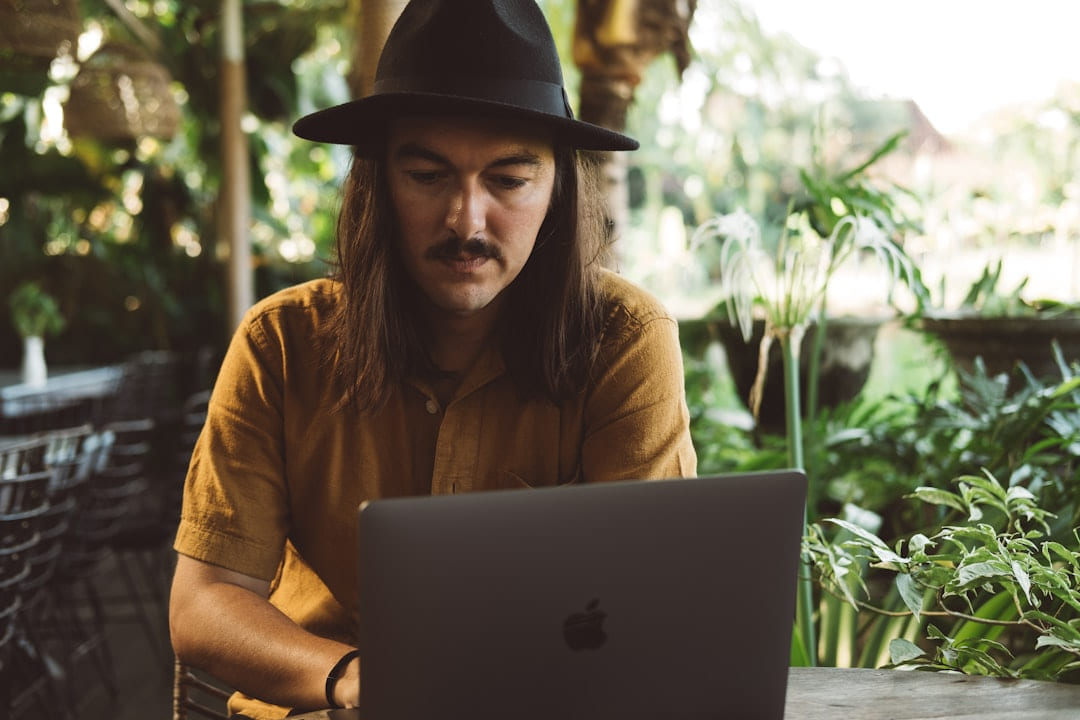
Remote Team Troubles: Solving Collaboration Issues
Hey there, fellow digital nomad and remote work enthusiast! Megan Ellis here, your Work-From-Anywhere Guide, and let’s be honest - building a truly successful.
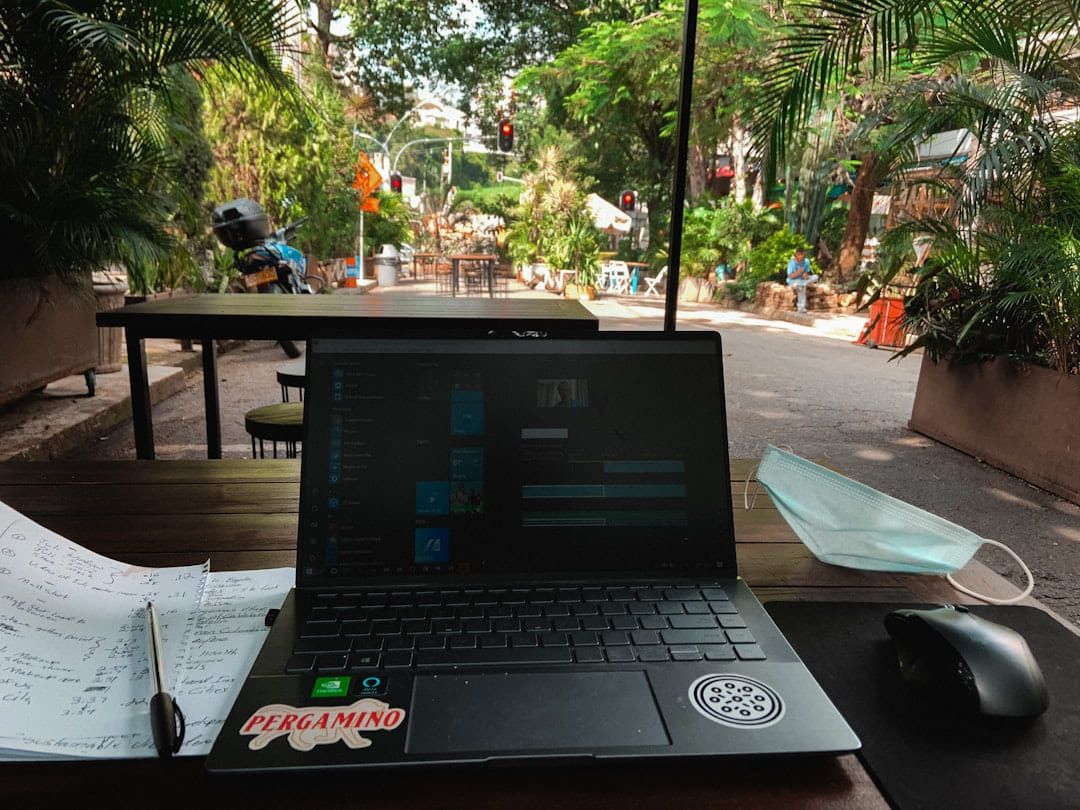
Remote Team Chat: Starting Simple
Remote Team Collaboration for Beginners - The Anywhere Office Remote Team Collaboration for Beginners: Building a Connected, Productive Nomad Team The Anywhere.
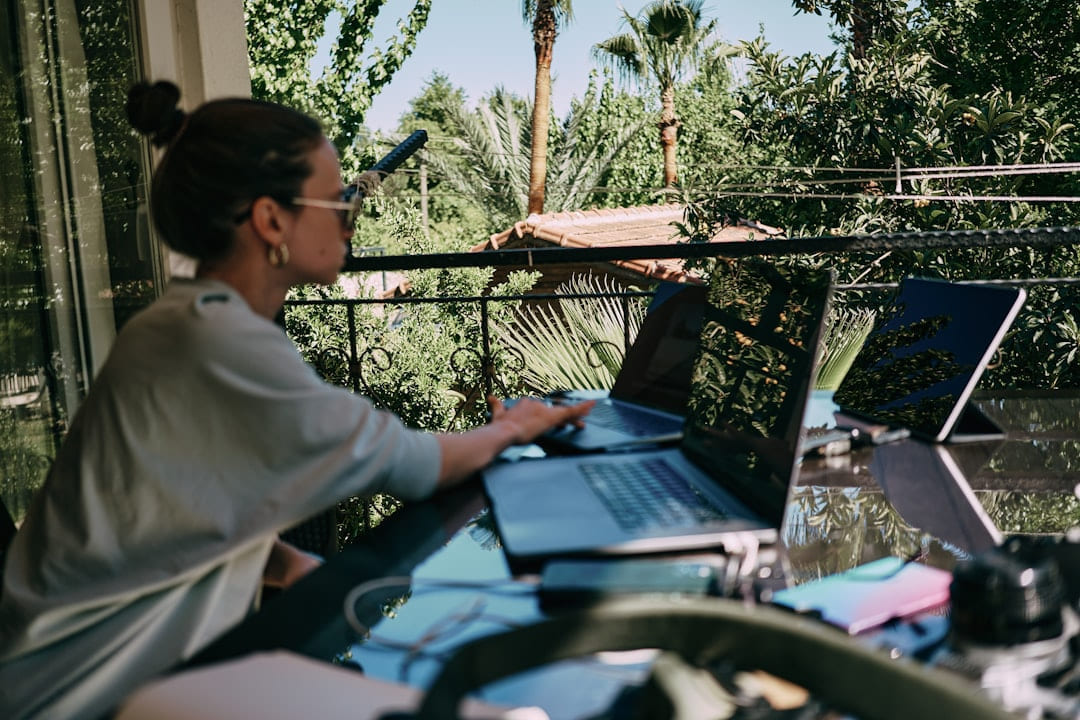
Remote Team Flow: Collaboration Ideas
Remote Team Flow can be easier to approach when you start with a few practical basics. * CanvasFlow/LucidSpace: For brainstorming and collaborative problem-s...