By Chris Norwood - Remote Workflow Architect
The digital nomad lifestyle - the promise of freedom, travel, and location independence - is undeniably alluring. However, it’s a trap for the unprepared. The romanticized image of effortlessly working from a beach in Bali quickly fades when confronted with the realities of constant transition, blurred boundaries, and the insidious creep of burnout. As a Remote Workflow Architect, I’ve spent the last decade optimizing remote work processes for individuals and teams. And I’ve observed a consistent pattern: those who thrive are the ones who proactively address their wellbeing, not as an afterthought, but as a fundamental component of their operational strategy. This isn’t about scheduling yoga retreats; it’s about building a system that supports sustainable productivity and prevents the chaos from consuming you.
The Illusion of Endless Productivity
Initially, the flexibility of remote work can be intoxicating. The ability to dictate your schedule, work from anywhere, and avoid the daily commute seems like a recipe for limitless productivity. But this initial surge is almost always followed by a crash. The lack of structure, the constant stimulation of new environments, and the pressure to ‘prove’ your productivity can quickly overwhelm even the most disciplined individual. I’ve seen freelancers, initially brimming with enthusiasm, burn out within six months, simply because they failed to establish clear boundaries and prioritize their mental and physical health. The key isn't working more; it’s working smarter and, crucially, sustainably.
Section 1: Establishing a Baseline - Tracking Your Current State
Before you can build a better system, you need to understand your current one. This isn't about judgment; it’s about data. For the next two weeks, meticulously track everything you do. I’m talking about every hour, every task, every distraction. Use a time tracking tool - Toggl Track is a solid, no-frills option - and categorize your activities. Don’t just log ‘work’; break it down: ‘Client Communication,’ ‘Content Creation,’ ‘Admin,’ ‘Social Media,’ ‘Research,’ ‘Unproductive Scrolling.’
Be brutally honest with yourself. Where is your time actually going? You’ll likely be surprised. I’ve found that a significant chunk of time is often consumed by reactive tasks - responding to emails, dealing with urgent requests, and firefighting issues. This reactive work is draining and rarely contributes to your core goals. The goal here is to identify these time sinks and develop strategies to minimize them. A simple spreadsheet can work initially, but consider a tool like RescueTime for more automated tracking and insights into app usage.
Section 2: Building Your Digital Fortress - Essential Tools for Nomad Wellbeing
Your digital tools are your lifeline as a nomad. They can either empower you or enslave you. Let’s focus on the former. Here are a few critical categories and specific recommendations:
- Task Management: Asana or ClickUp are powerful options for project management and task tracking. They allow you to break down large projects into smaller, manageable steps, assign deadlines, and collaborate with clients or team members. I personally use Asana for its intuitive interface and robust features.
- Focus & Productivity: Forest is a fantastic app that gamifies focus. You plant a virtual tree, and it dies if you leave the app. It’s surprisingly effective. Alternatively, Freedom blocks distracting websites and apps across all your devices.
- Communication: Slack is ubiquitous, but it can be overwhelming. Establish clear channels and response time expectations. Consider a tool like Loom for quick video updates - often more efficient than lengthy emails.
- Note-Taking & Knowledge Management: Notion is an incredibly versatile tool for note-taking, project management, and knowledge base building. It’s a significant investment of time to learn, but the long-term benefits are substantial.
- Wellbeing: Headspace or Calm offer guided meditations and mindfulness exercises - crucial for managing stress and maintaining mental clarity.
Section 3: The Rituals of Routine - Creating Structure in a Chaotic World
Humans crave routine. It’s a fundamental need. As a nomad, establishing rituals is paramount. These don’t have to be elaborate; they simply need to be consistent. Here are a few examples:
- Daily Check-In (15 minutes): Start each day with a brief review of your priorities. What are the three most important things you need to accomplish?
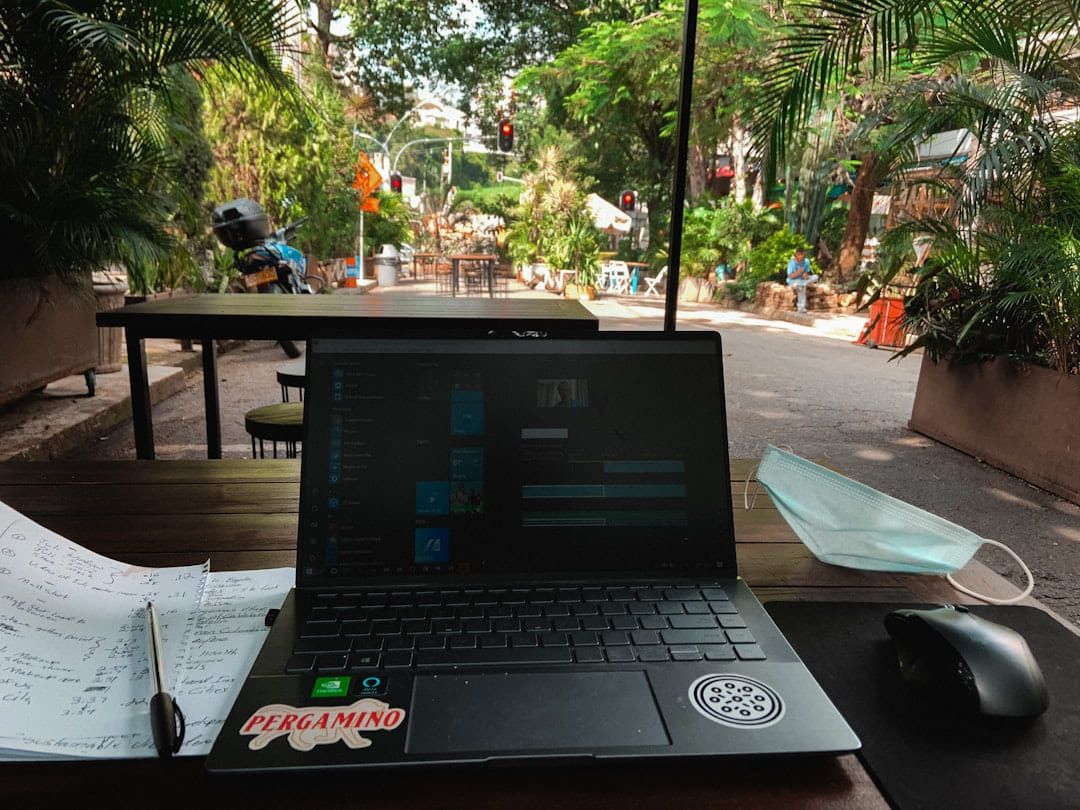
- Dedicated Workspace Ritual: Even if it’s just a corner of a cafe, designate a specific area for work. Upon arrival, take a moment to clear your desk and mentally shift into ‘work mode.’
- End-of-Day Shutdown Ritual: At the end of your workday, close all work-related applications and disconnect. This signals to your brain that it’s time to relax and recharge.
- Movement Ritual: Incorporate some form of physical activity into your daily routine - a walk, a run, a yoga session. Even 20 minutes can make a difference.
Section 4: Boundaries - The Non-Negotiable Element
This is where most nomads stumble. The freedom of location independence can easily morph into a lack of boundaries. Clients expect immediate responses, social media demands constant attention, and the temptation to ‘just check one more thing’ is always present. Establish clear boundaries and stick to them. This means setting specific work hours, turning off notifications, and politely declining requests that fall outside of those hours. Learn to say ‘no’ - it’s a powerful tool for protecting your time and energy.
Communicate your boundaries clearly to clients and colleagues. Don’t over-explain; simply state your availability. For example: “I’m typically available for client calls between 9 am and 5 pm local time.” And most importantly, enforce those boundaries. It takes discipline, but it’s essential for maintaining your wellbeing.
Section 5: The Importance of Connection - Combating Isolation
The nomadic lifestyle can be incredibly isolating. Constant travel and a lack of a stable social network can lead to feelings of loneliness and disconnection. Actively seek out opportunities to connect with other people. Join online communities, attend local meetups, or volunteer for a cause you care about. Even a brief conversation with a stranger can help combat feelings of isolation. Don’t underestimate the power of human connection.
Conclusion: A Continuous Optimization Process
Nomad wellbeing isn’t a destination; it’s a continuous optimization process. Your needs and priorities will evolve over time, so it’s important to regularly assess your systems and make adjustments as needed. Treat your wellbeing as a core business function - a critical investment in your productivity, creativity, and overall happiness. As a Remote Workflow Architect, I’ve consistently found that those who prioritize their wellbeing are not only more productive but also more resilient, adaptable, and ultimately, more successful in the long run. Don’t just chase the freedom; build a system that supports it.
Pick the easiest win first
Most people get better results with Nomad Wellbeing: Finding Balance on the Road when they narrow the decision to one real problem. That could be saving time, trimming cost, reducing friction, or making the routine easier to keep up.
This usually gets easier once you make a short list of priorities. A tighter list tends to produce better decisions than trying to solve every possible problem at once.
Another useful filter is asking what you would still recommend if the budget got tighter, the schedule got busier, or the setup had to be easier for someone else to manage. The answers to that question usually reveal which advice is durable and which advice only works under ideal conditions.
Keep This Practical
Remote-work systems pay off when they reduce friction in the parts of the day you repeat constantly. Start with the setup, routine, or communication habit that would make work feel calmer right away.