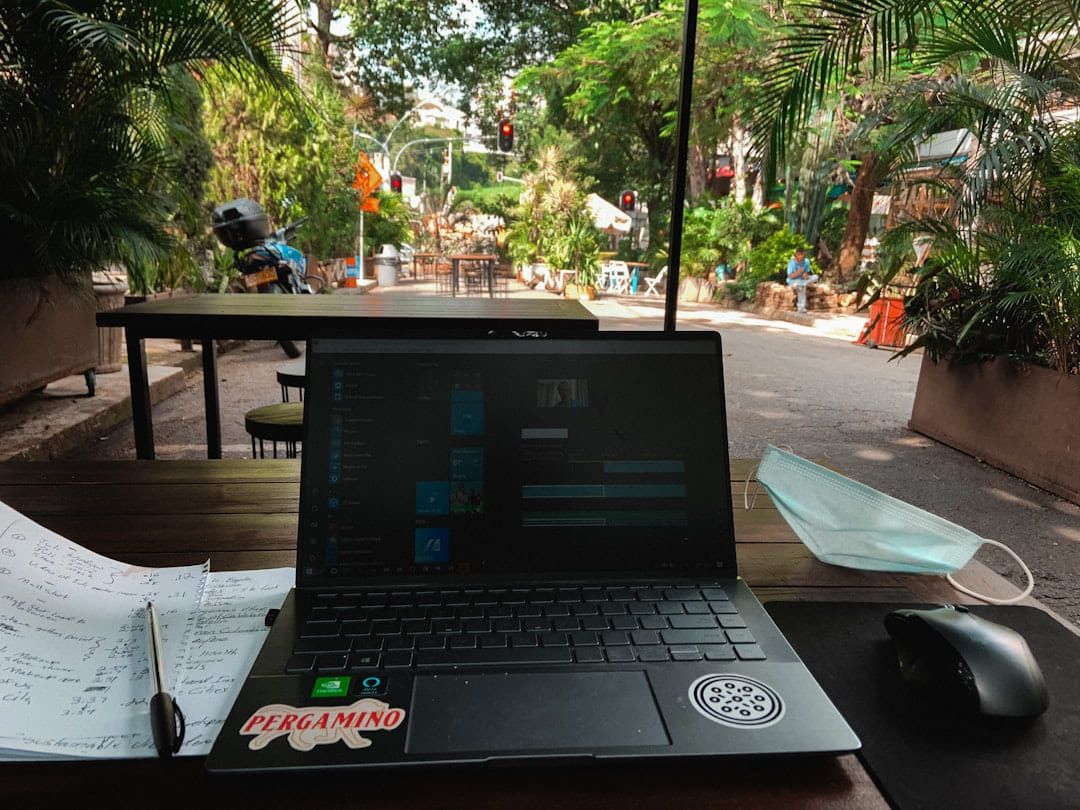
Working Across Time Zones: Async Communication: The most useful version of this advice is usually the one that turns a broad topic into a few decisions you can make with more clarity and less second-guessing.
Establish a Routine
Even when you’re traveling, try to maintain a consistent sleep schedule and work routine. If this makes the day feel calmer and easier to coordinate, it is probably the right adjustment.
Schedule Breaks
Don’t just work continuously. Take regular breaks to stretch, move around, and disconnect. The strongest version is usually the one that lowers friction in a workday you already repeat.
Prioritize Sleep
This is crucial. Make sure you’re getting enough sleep, even if it means adjusting your schedule. Keep the setup practical enough that it improves focus or communication without adding more tool overhead.
Set Boundaries
Learn to say no to meetings or requests that aren’t essential. Protect your personal time. If this makes the day feel calmer and easier to coordinate, it is probably the right adjustment.
Embrace the Flexibility
Remember why you chose this lifestyle! Enjoy the freedom and the opportunity to explore new places. The strongest version is usually the one that lowers friction in a workday you already repeat.
What To Do Next
Use the ideas above to choose one clear next move, test it in your own situation, and keep refining from there. That approach tends to produce better long-term decisions than trying to solve everything at once.
Building a Remote Team Culture Across Time Zones
Finally, remember that building a strong team culture is just as important when working across time zones. It requires intentionality and effort:
- Virtual Social Events: Organize virtual coffee breaks, happy hours, or game nights to foster connection.
- Celebrate Milestones: Recognize and celebrate team accomplishments, no matter the time of day.
- Encourage Peer-to-Peer Communication: Create opportunities for team members to connect and build relationships outside of work tasks.
- Be Inclusive: Make sure everyone feels included in conversations and decisions, regardless of their time zone.
Start with what you will actually use
With Working Across Time Zones, the first question is usually not which option looks best on paper. It is which part will make day-to-day life easier, smoother, or cheaper once the novelty wears off.
A lot of options sound great until you picture them in a normal week. If the setup is fussy, the routine is easy to forget, or the maintenance is annoying, the appeal fades quickly.
There is also value in keeping one part of the process deliberately simple. Readers often do better when they identify the one decision that carries the most weight and make that choice carefully before they chase smaller optimizations. That keeps momentum steady and usually prevents the topic from turning into clutter.
What tends to get overlooked
Tradeoffs are normal here. Cost, convenience, upkeep, and flexibility do not always line up neatly, so it helps to decide which tradeoff matters least to you before you commit.
This usually gets easier once you make a short list of priorities. A tighter list tends to produce better decisions than trying to solve every possible problem at once.
Another useful filter is asking what you would still recommend if the budget got tighter, the schedule got busier, or the setup had to be easier for someone else to manage. The answers to that question usually reveal which advice is durable and which advice only works under ideal conditions.
How to keep the setup simple
If you want Working Across Time Zones to hold up over time, choose the version you can actually maintain. That can mean spending less, leaving out an attractive extra, or simplifying the setup so it fits ordinary life.
The version that holds up best is usually the one you can live with on an ordinary day. That often matters more than the version that only feels good when you have extra time, energy, or money.
That is why the best next step is often a modest one with a clear upside. You want something specific enough to act on, flexible enough to adjust, and practical enough that you would still recommend it after the first burst of enthusiasm fades.
Costs that show up later
You do not need the flashiest answer here. You need the one that fits your space, budget, and routine well enough that you will still feel good about it after the first week.
In a topic like Remote work productivity tools digital nomad, manageable almost always beats impressive. If something is simple enough to keep using, it is usually doing more real work for you.
Readers usually get better results when they treat advice as something to test and refine, not something to obey perfectly. That mindset creates room for real judgment, which is often the difference between content that sounds smart and guidance that is actually useful.
What is worth skipping
It is easy to underestimate how much clarity comes from removing one unnecessary layer. In practice, trimming one complication often does more for Working Across Time Zones than adding one more feature, one more product, or one more clever workaround.
The options that age well are usually the ones that are easy to repeat. Reliability and low hassle often matter more than the most impressive-looking feature list.
When you are deciding what to do next, aim for the option that reduces friction and gives you a clearer read on what matters most. That is usually how Working Across Time Zones becomes more useful instead of more complicated.
A realistic next step
If this topic still feels crowded or overcomplicated, that is usually a sign to narrow the decision, not a sign that you need more noise. One careful adjustment, followed by honest observation, tends to teach more than another round of abstract tips.
A grounded next step is usually better than a dramatic one. Pick one realistic change, see how it works in normal life, and let that result guide the next decision.
Leave a little room to adjust as you go. A setup that works in one budget range, season, or routine might need a small change later, and that is usually normal rather than a sign you got it wrong.
Keep This Practical
If you want this to improve your work quickly, pick the one adjustment that saves attention every day. Small workflow gains compound fast in a remote environment.