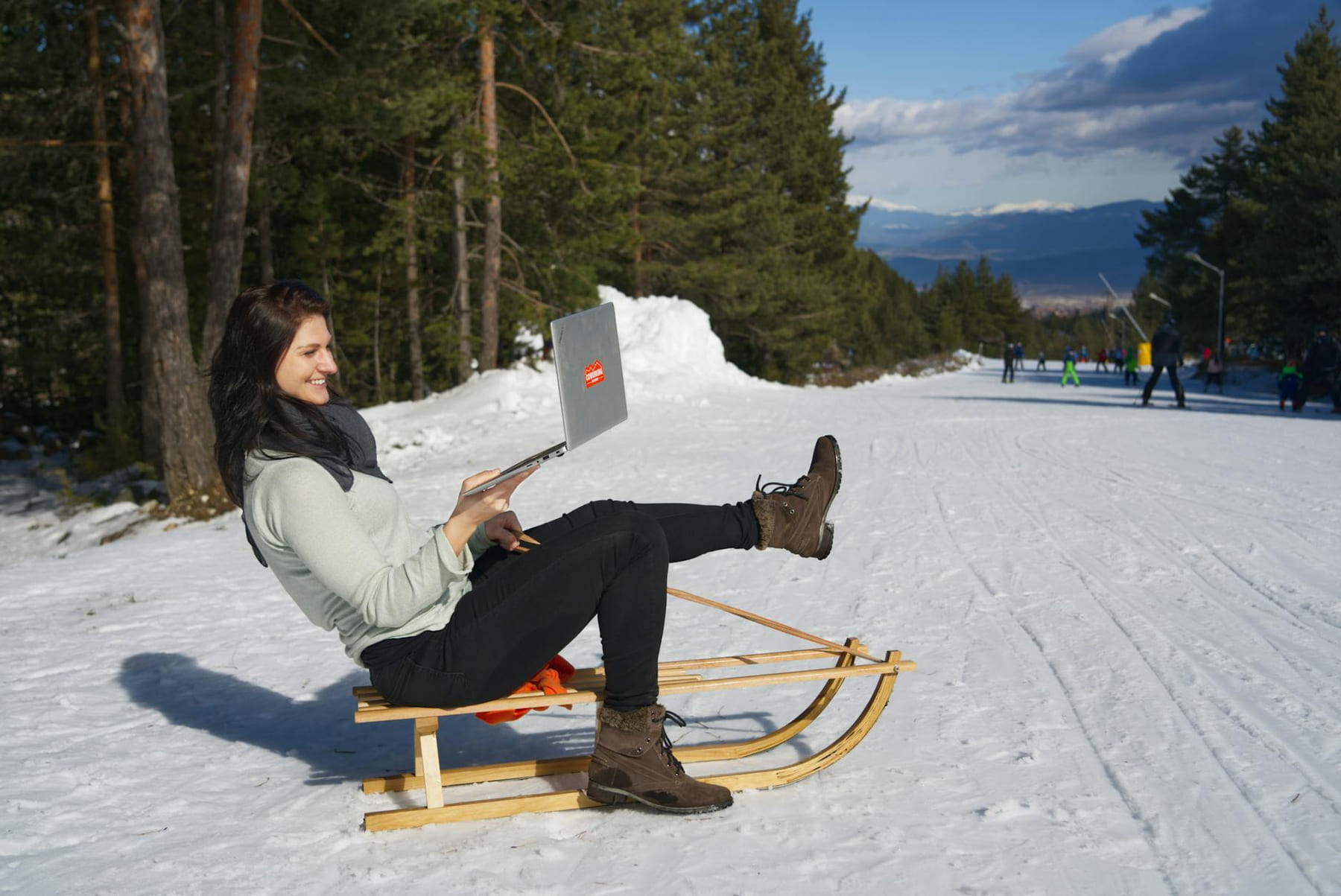
Building Your Nomad Tribe
Humans are social creatures, and that need for connection doesn’t disappear just because you’re working remotely. Building a strong support network is essential for long-term wellbeing. There are incredible opportunities for connection online. Social media groups dedicated to digital nomads - platforms like “Wanderlust Connect”- allow you to connect with like-minded people, share tips, and find travel buddies. Messaging apps are great for staying in touch with friends and family, but don’t rely solely on digital communication. Making an effort to have genuine, offline interactions - grabbing coffee with a local, joining a language exchange group - can make a big difference in combating feelings of loneliness. And exploring local co-working spaces - places like Global Hubs - can be a great way to network and connect with other professionals.
Staying Safe & Focused in the Digital Realm
Let’s be real, the digital nomad life is entirely dependent on technology, which brings a whole new set of potential challenges. Robust VPNs are a must. In 2026, providers like ‘SecureRoute’ and ‘ShadowNet’ are really the go-to options, offering top-level encryption and reliable connections, no matter where you are. Data protection is incredibly important - use strong, unique passwords for everything, enable two-factor authentication whenever possible, and be super careful about phishing scams. Managing your digital identity - keeping your online presence consistent and secure - is also important. Regularly checking your social media profiles and using a password manager can help. Time management is a constant struggle, but it’s crucial for staying productive and avoiding overwhelm. Techniques like the Pomodoro Technique (working in focused 25-minute bursts with short breaks) and time blocking (scheduling specific tasks for specific times) can be incredibly helpful. Task management apps with collaboration features, such as FlowState, help you stay organized and track your progress.
Crafting a Sustainable Nomad Life
Finally, let’s talk about routine and reflection. The nomadic lifestyle thrives on adaptability, but a little structure can make a huge difference. Establishing a daily or weekly routine - even a loose one - can provide a sense of normalcy and stability. Journaling prompts - asking yourself questions about your goals, challenges, and feelings - can be a really powerful tool for self-reflection. Regularly reviewing your checklist - and adjusting it based on your changing needs and priorities - is essential for long-term sustainability. And keep an eye on emerging trends. AI-powered productivity tools are starting to become more common, offering automated scheduling, task prioritization, and even personalized learning recommendations. It’s worth exploring how these tools might fit into your workflow. in practice, the key to thriving as a digital nomad is to prioritize your wellbeing alongside your productivity. It’s not about doing more; it’s about focusing on what truly matters - taking care of yourself, building meaningful connections, and creating a life that feels right for you. Don’t let the excitement of travel overshadow the importance of your mental, physical, and emotional health.
Pick the easiest win first
Most people get better results with Nomad Wellbeing: Your Remote Checklist when they narrow the decision to one real problem. That could be saving time, trimming cost, reducing friction, or making the routine easier to keep up.
This usually gets easier once you make a short list of priorities. A tighter list tends to produce better decisions than trying to solve every possible problem at once.
Another useful filter is asking what you would still recommend if the budget got tighter, the schedule got busier, or the setup had to be easier for someone else to manage. The answers to that question usually reveal which advice is durable and which advice only works under ideal conditions.
The tradeoff most people notice late
One common mistake with Nomad Wellbeing: Your Remote Checklist is expecting every option to solve the whole problem. In reality, some choices are better for convenience, some for reliability, and some simply for keeping the budget under control.
Before spending more, it is worth checking the setup, upkeep, and learning curve. Small hassles matter here because they are usually what decide whether something stays useful or gets ignored.
It is easy to underestimate how much clarity comes from removing one unnecessary layer. In practice, trimming one complication often does more for Nomad Wellbeing: Your Remote Checklist than adding one more feature, one more product, or one more clever workaround.
What makes this easier to live with
The options that age well are usually the ones that are easy to repeat. Reliability and low hassle often matter more than the most impressive-looking feature list.
In a topic like Remote work productivity tools digital nomad, manageable almost always beats impressive. If something is simple enough to keep using, it is usually doing more real work for you.
Readers usually get better results when they treat advice as something to test and refine, not something to obey perfectly. That mindset creates room for real judgment, which is often the difference between content that sounds smart and guidance that is actually useful.
How to avoid extra hassle
When you are deciding what to do next, aim for the option that reduces friction and gives you a clearer read on what matters most. That is usually how Nomad Wellbeing: Your Remote Checklist becomes more useful instead of more complicated.
Leave a little room to adjust as you go. A setup that works in one budget range, season, or routine might need a small change later, and that is usually normal rather than a sign you got it wrong.
If this topic still feels crowded or overcomplicated, that is usually a sign to narrow the decision, not a sign that you need more noise. One careful adjustment, followed by honest observation, tends to teach more than another round of abstract tips.
What is worth paying for
There is also value in keeping one part of the process deliberately simple. Readers often do better when they identify the one decision that carries the most weight and make that choice carefully before they chase smaller optimizations. That keeps momentum steady and usually prevents the topic from turning into clutter.
A better approach is to break Nomad Wellbeing: Your Remote Checklist into smaller decisions and solve the highest-friction part first. Testing one practical change usually teaches more than trying to perfect everything in a single pass.
A grounded next step is usually better than a dramatic one. Pick one realistic change, see how it works in normal life, and let that result guide the next decision.
A low-stress way to begin
That is why the best next step is often a modest one with a clear upside. You want something specific enough to act on, flexible enough to adjust, and practical enough that you would still recommend it after the first burst of enthusiasm fades.
You do not need the flashiest answer here. You need the one that fits your space, budget, and routine well enough that you will still feel good about it after the first week.
The version that holds up best is usually the one you can live with on an ordinary day. That often matters more than the version that only feels good when you have extra time, energy, or money.
Keep This Practical
A better distributed-work setup usually comes from one reliable improvement at a time. Prioritize focus, clarity, and ease of collaboration over adding more tools for their own sake.
Tools Worth A Look
The recommendations here support a calmer, more functional remote-work environment without adding extra noise.
- The Freedom Blueprint: Becoming a Digital NomadZen & Flow - Undated Weekly Planner, Dashboard Desk Pad, To Do List Notepad, Productivity, Habit Tracker, Desk Notepad, Dashboard PlannerBitspower Touchaqua Digital RGB Multi Function Controller V2: ElectronicsiFLYTEK AINOTE Air 2 Bundle – 8.2" E Ink AI Note-taking Tablet with Stylus, 4096 Pressure Levels, Digital Notebook with Voice-to-Text Transcription, Multi-languages Support
Some of the links on this page are Amazon affiliate links, which means I may earn a small commission if you make a purchase through them. As an Amazon Associate, I earn from qualifying purchases.
Related ReadingMore from The Anywhere Office

Remote Team Troubles: Solving Collaboration Issues
Hey there, fellow digital nomad and remote work enthusiast! Megan Ellis here, your Work-From-Anywhere Guide, and let’s be honest - building a truly successful.
Remote Team Chat: Starting Simple
Remote Team Collaboration for Beginners - The Anywhere Office Remote Team Collaboration for Beginners: Building a Connected, Productive Nomad Team The Anywhere.

Remote Team Flow: Collaboration Ideas
Remote Team Flow can be easier to approach when you start with a few practical basics. * CanvasFlow/LucidSpace: For brainstorming and collaborative problem-s...