By Lauren Adler, Remote Operations Strategist
May 04, 2026
The Myth of “Just Working Harder”
I often hear from people who’ve transitioned to remote work and are struggling. They tell me, “I just need to work harder!” And while dedication is certainly important, simply throwing more hours at a problem rarely solves it, especially when you’re battling distractions and the inherent challenges of a non-traditional workspace. The truth is, productivity isn’t about quantity; it’s about quality. It’s about focusing your energy on the right tasks, minimizing wasted effort, and creating an environment that supports deep, focused work. The biggest mistake people make is assuming that the tools they used in a traditional office will magically translate to a remote setting. It doesn’t. You need a deliberate, strategic approach.
Core Workflow Pillars: Building a Solid Foundation
Let’s break down the key pillars of a successful remote workflow. These aren’t just buzzwords; they’re actionable steps you can implement today.
- Structured Time Blocking: Forget endless to-do lists. Time blocking involves scheduling specific blocks of time for specific tasks. Be realistic about how long things take - overestimate slightly at first. I use Google Calendar religiously, color-coding different types of work (e.g., deep work, meetings, admin). A visual representation of your day is incredibly grounding.
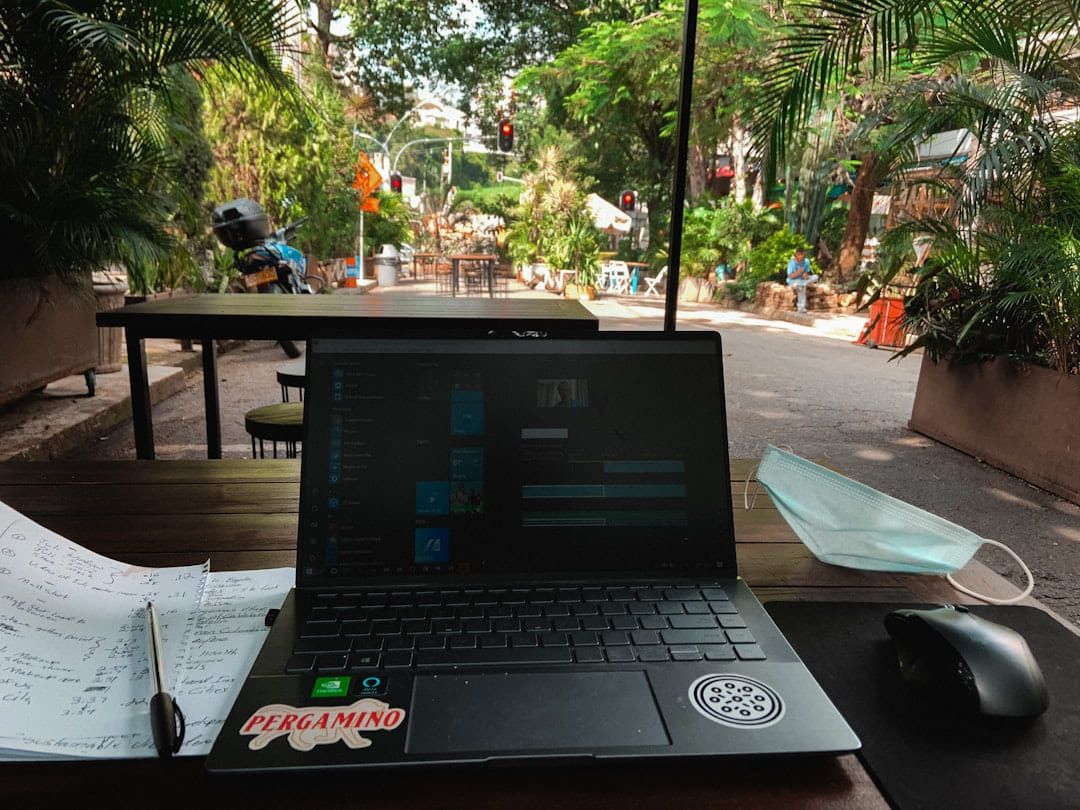
- Dedicated Workspace: This doesn’t have to be a separate room. It’s about creating a *mental* space. If possible, designate a specific area solely for work. When you’re in that space, you’re in “work mode.” If space is limited, use a screen or divider to create a visual boundary.
- Regular Breaks & Movement: Seriously, step away from your screen. Short, frequent breaks are crucial for maintaining focus and preventing burnout. I schedule a 15-minute walk every two hours. Even a few stretches can make a difference.
Digital Tools: Your Remote Work Arsenal
The right tools can be a game-changer. Here are some of my go-to recommendations, categorized for clarity:
- Communication: Slack for instant messaging, Zoom or Google Meet for video conferencing. Don’t underestimate the power of a well-organized Slack channel.
- Time Tracking & Focus: Toggl Track (free version is excellent), Forest (gamified focus app), Freedom (website and app blocker). Knowing where your time *actually* goes is the first step to optimizing it.
- Note-Taking & Knowledge Management: Evernote, Notion, OneNote - find a system that works for you. Notion is particularly powerful for creating interconnected workflows.
- Password Management: LastPass or 1Password - security is paramount, especially when working remotely.
Combatting the Isolation Factor
Remote work can be isolating. It’s vital to proactively combat this. Here’s how:
- Virtual Co-working: Join a virtual co-working community. There are many online groups where you can work alongside others, providing accountability and a sense of connection.
- Schedule Social Time: Don’t let work consume your entire life. Schedule regular video calls with friends and family.
- Local Meetups: If you’re traveling, look for local meetups related to your interests.
- Prioritize Connection: Make a conscious effort to connect with your colleagues on a personal level - beyond just work tasks.
Adaptability and Iteration: The Key to Long-Term Success
Location freedom is an incredible opportunity, but it demands a thoughtful and strategic approach. It’s about more than just working from a beautiful location; it’s about building a sustainable, productive, and fulfilling work life. By focusing on these core pillars - structured time, dedicated space, clear communication, and intentional connection - you can unlock the true potential of remote work and embrace the location freedom you’ve always dreamed of. Are you ready to rethink your workflow and build a truly location-independent career?
Pick the easiest win first
Most people get better results with Location Freedom: Rethinking Your Workflow when they narrow the decision to one real problem. That could be saving time, trimming cost, reducing friction, or making the routine easier to keep up.
This usually gets easier once you make a short list of priorities. A tighter list tends to produce better decisions than trying to solve every possible problem at once.
Another useful filter is asking what you would still recommend if the budget got tighter, the schedule got busier, or the setup had to be easier for someone else to manage. The answers to that question usually reveal which advice is durable and which advice only works under ideal conditions.
The tradeoff most people notice late
One common mistake with Location Freedom: Rethinking Your Workflow is expecting every option to solve the whole problem. In reality, some choices are better for convenience, some for reliability, and some simply for keeping the budget under control.
Before spending more, it is worth checking the setup, upkeep, and learning curve. Small hassles matter here because they are usually what decide whether something stays useful or gets ignored.
It is easy to underestimate how much clarity comes from removing one unnecessary layer. In practice, trimming one complication often does more for Location Freedom: Rethinking Your Workflow than adding one more feature, one more product, or one more clever workaround.
What makes this easier to live with
The options that age well are usually the ones that are easy to repeat. Reliability and low hassle often matter more than the most impressive-looking feature list.
In a topic like Remote work productivity tools digital nomad, manageable almost always beats impressive. If something is simple enough to keep using, it is usually doing more real work for you.
Readers usually get better results when they treat advice as something to test and refine, not something to obey perfectly. That mindset creates room for real judgment, which is often the difference between content that sounds smart and guidance that is actually useful.
How to avoid extra hassle
When you are deciding what to do next, aim for the option that reduces friction and gives you a clearer read on what matters most. That is usually how Location Freedom: Rethinking Your Workflow becomes more useful instead of more complicated.
Leave a little room to adjust as you go. A setup that works in one budget range, season, or routine might need a small change later, and that is usually normal rather than a sign you got it wrong.
If this topic still feels crowded or overcomplicated, that is usually a sign to narrow the decision, not a sign that you need more noise. One careful adjustment, followed by honest observation, tends to teach more than another round of abstract tips.
What is worth paying for
There is also value in keeping one part of the process deliberately simple. Readers often do better when they identify the one decision that carries the most weight and make that choice carefully before they chase smaller optimizations. That keeps momentum steady and usually prevents the topic from turning into clutter.
A better approach is to break Location Freedom: Rethinking Your Workflow into smaller decisions and solve the highest-friction part first. Testing one practical change usually teaches more than trying to perfect everything in a single pass.
A grounded next step is usually better than a dramatic one. Pick one realistic change, see how it works in normal life, and let that result guide the next decision.
Keep This Practical
A better distributed-work setup usually comes from one reliable improvement at a time. Prioritize focus, clarity, and ease of collaboration over adding more tools for their own sake.