
For Building Your Location, the practical goal is to connect the idea to choices that fit your time, budget, and comfort level.
Location-Independent can be easier to approach when you start with a few practical basics.
The Anywhere Office: A Location Independent Workflow Guide Remember that feeling? That rush of landing somewhere new, setting up shop in a cozy spot, and knowing you could be working from a mountaintop in a few hours? The idea of working from anywhere is a big draw for many, but it’s more than just a backpack and a laptop. It’s about having a system that keeps you productive, secure, and sane, no matter where you are. By 2026, the lines between work and travel are blurring, and relying on old ways just won’t cut it. this post is about building an “Anywhere Office” - a system designed for the modern digital nomad.Securing Your Digital Space (Location-Independent)
Let’s be upfront: the internet isn’t always a safe place. When you’re constantly moving, your digital security needs to be just as mobile and reliable. The biggest risk isn’t one thing going wrong; it’s the constant shifting of your connection. That’s where a VPN comes in. Services like ShieldStream and GlobalGuard have really matured by 2026 - they’re consistently fast in lots of different countries and their security is much stronger than the basic options of a few years back. Don’t just go for the cheapest option; look for a VPN that has strong encryption, a policy that says they don’t track your activity, and servers in places you’re likely to be. Beyond a VPN, multi-factor authentication (MFA) is essential. Turn it on for everything - your email, cloud storage, banking, and social media. It adds a vital layer of protection if one password ever gets compromised. And increasingly, data privacy is a big concern. Think about where your data is stored and who has access to it. Services that use end-to-end encryption are worth exploring, even if they take a little extra learning.
Getting Things Done - Beyond Simple Lists
To-do lists are fine for grabbing groceries, but they often don’t work when you’re juggling multiple clients and deadlines while also trying to enjoy a new place. You need something more integrated. Tools like FlowState have really caught my attention lately. It’s more than just a task manager; it’s a whole productivity hub. FlowState combines project management (like Kanban boards and Gantt charts) with time tracking, a habit-building system (surprisingly helpful for staying on track while traveling), and integrations with tools you probably already use, like Slack and Google Calendar. Asana and ClickUp are still solid choices, but FlowState’s design is intuitive and really seems built for location-independent professionals. It anticipates the challenges of working across different time zones and keeps everything organized. It’s not about adding more tools; it’s about streamlining the whole process.
Talking and Working Together - Even When You're Apart
Email? Let’s be honest, it’s often a black hole. By 2026, it’s becoming less common for global teams. The rise of integrated communication hubs is changing how we work. ConnectVerse is a platform I’ve found particularly useful. It’s not just a video conferencing tool; it’s a complete collaboration space. You get high-quality video calls, the ability to work on documents together in real-time, and a translation feature that’s surprisingly accurate - a huge help when you’re working with people from different countries. But what sets it apart is its team channels. These aren’t just chat rooms; they’re organized spaces for specific projects, with threaded conversations and integrated task management. Asynchronous communication - responding when you’re actually available - is key for managing time zone differences. Trying to force everyone online at the same time is a recipe for burnout. ConnectVerse makes this much easier.
Keeping Your Data Safe and Sound
Where you store your data is another important consideration. Cloud services like Google Drive and Dropbox are convenient, but they can feel a little exposed. By 2026, decentralized cloud storage is becoming more popular, and VaultChain is worth checking out. They use blockchain technology to make your data more secure and reliable - meaning your files are backed up across multiple servers, making them less vulnerable to problems. It’s not quite as simple as copying your files; VaultChain encrypts them and spreads them around a network, giving you more control. Compared to the usual centralized approach, it’s a fundamentally different way of doing things. And, of course, you need a way to manage time across different time zones. “TimeSync” is a tool I’ve been using to schedule meetings and set reminders, automatically adjusting for different local times. It’s really helpful at preventing scheduling conflicts. It’s just as important to clearly communicate when you’ll be available as the tool itself.
Taking Care of Yourself - It’s Not All About Work
Let’s be real, remote work can feel isolating. Digital wellbeing isn’t just about avoiding screen fatigue; it’s about intentionally making time for breaks and looking after your mental health. Zenith is an app that’s helped me a lot - it uses short, guided mindfulness exercises and focus techniques to help you stay grounded. Beyond the software, think about your hardware. A lightweight, powerful laptop is important. Noise-canceling headphones are essential for working in noisy cafes. And a comfortable keyboard and mouse can make a big difference if you’re spending long hours working. A standing desk converter is a good investment for your long-term health.
Wrapping Up
Building an “Anywhere Office” isn’t about following a strict set of rules; it’s about creating a system that adapts to your needs and where you are. It’s about securing your digital space, managing your tasks, communicating effectively, protecting your data, and taking care of your wellbeing. By 2026, the remote work world is always changing, so it’s important to stay flexible and keep your workflow optimized. Experiment with the tools I’ve mentioned, find what works for you, and don’t be afraid to adjust as you go. The freedom of location independence is amazing, but it’s only sustainable when you have a solid foundation to build on.
Keep This Practical
A better distributed-work setup usually comes from one reliable improvement at a time. Prioritize focus, clarity, and ease of collaboration over adding more tools for their own sake.
Tools Worth A Look
The recommendations here support a calmer, more functional remote-work environment without adding extra noise.
- Life and Goal Planner – Undated Daily, Weekly & Monthly Organizer with Habit Tracker, Time Management Tools, and Productivity Journal for Personal Growth21 Highly Effective Productivity Hacks for Work from Home(3-Pack) Weekly Productivity PlannerHow to Work From Home - A QuickStart Guide: From Tech-Challenged to Tech-Pro
Some of the links on this page are Amazon affiliate links, which means I may earn a small commission if you make a purchase through them. As an Amazon Associate, I earn from qualifying purchases.
Related ReadingMore from The Anywhere Office

Remote Team Troubles: Solving Collaboration Issues
Hey there, fellow digital nomad and remote work enthusiast! Megan Ellis here, your Work-From-Anywhere Guide, and let’s be honest - building a truly successful.
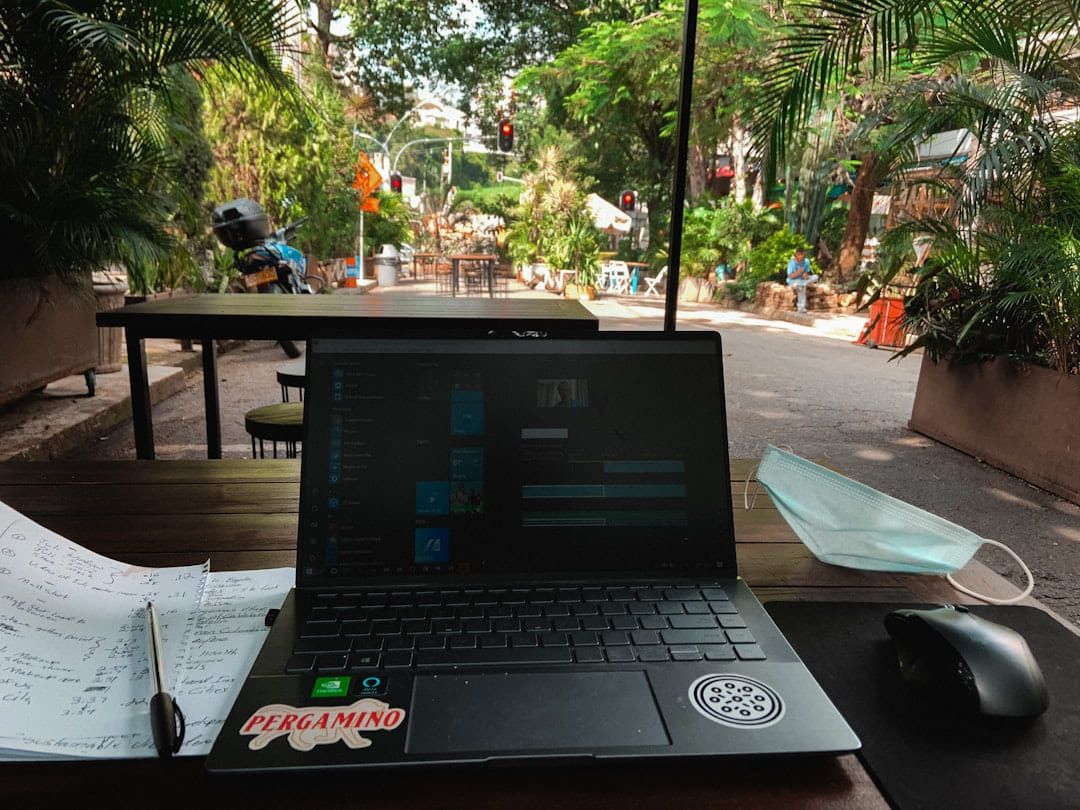
Remote Team Chat: Starting Simple
Remote Team Collaboration for Beginners - The Anywhere Office Remote Team Collaboration for Beginners: Building a Connected, Productive Nomad Team The Anywhere.
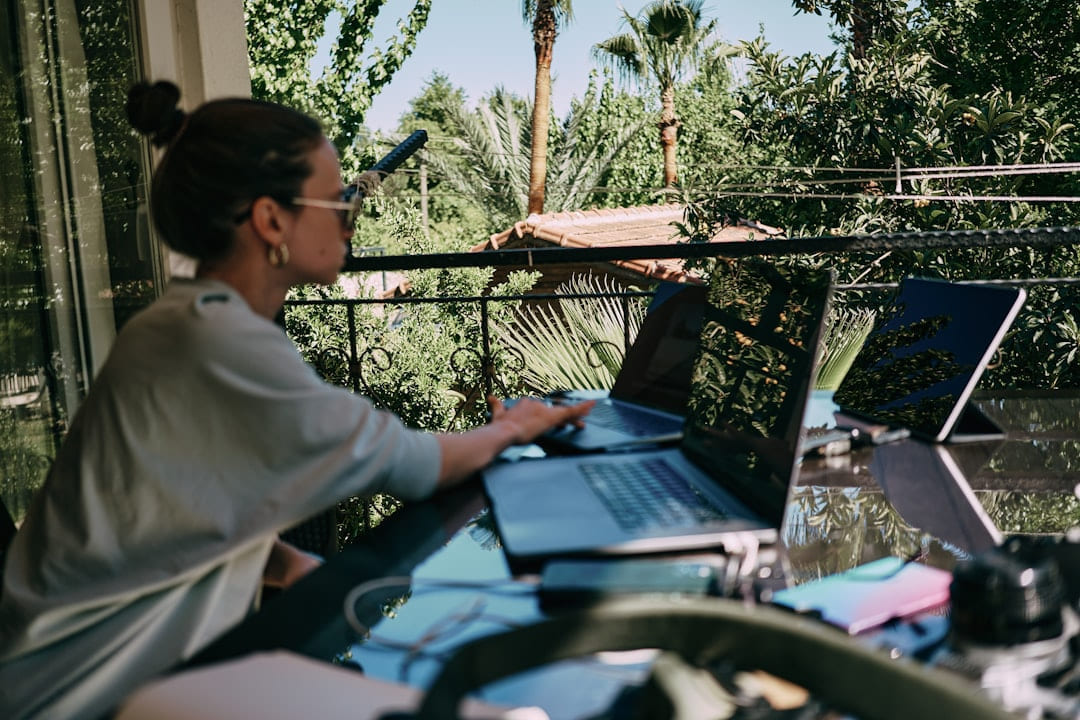
Remote Team Flow: Collaboration Ideas
Remote Team Flow can be easier to approach when you start with a few practical basics. * CanvasFlow/LucidSpace: For brainstorming and collaborative problem-s...